
 mada100
Digital technology has transformed the dental industry by improving how professionals collect patient data, design treatments, and communicate with laboratories. Traditional impression methods that rely on physical materials are increasingly being replaced by digital solutions that provide more efficient workflows.
A dental intraoral scanner captures detailed information from teeth, gums, and surrounding oral structures, then converts the data into a three-dimensional digital model. By simplifying impression procedures and supporting various dental applications, an intraoral scanner helps dental professionals improve treatment planning and patient experiences. SHINING 3D Dental offers advanced digital scanning solutions, including the Aoralscan series, designed to support restorative dentistry, orthodontics, implant treatments, and other digital workflows.
What Is a Dental Intraoral Scanner?
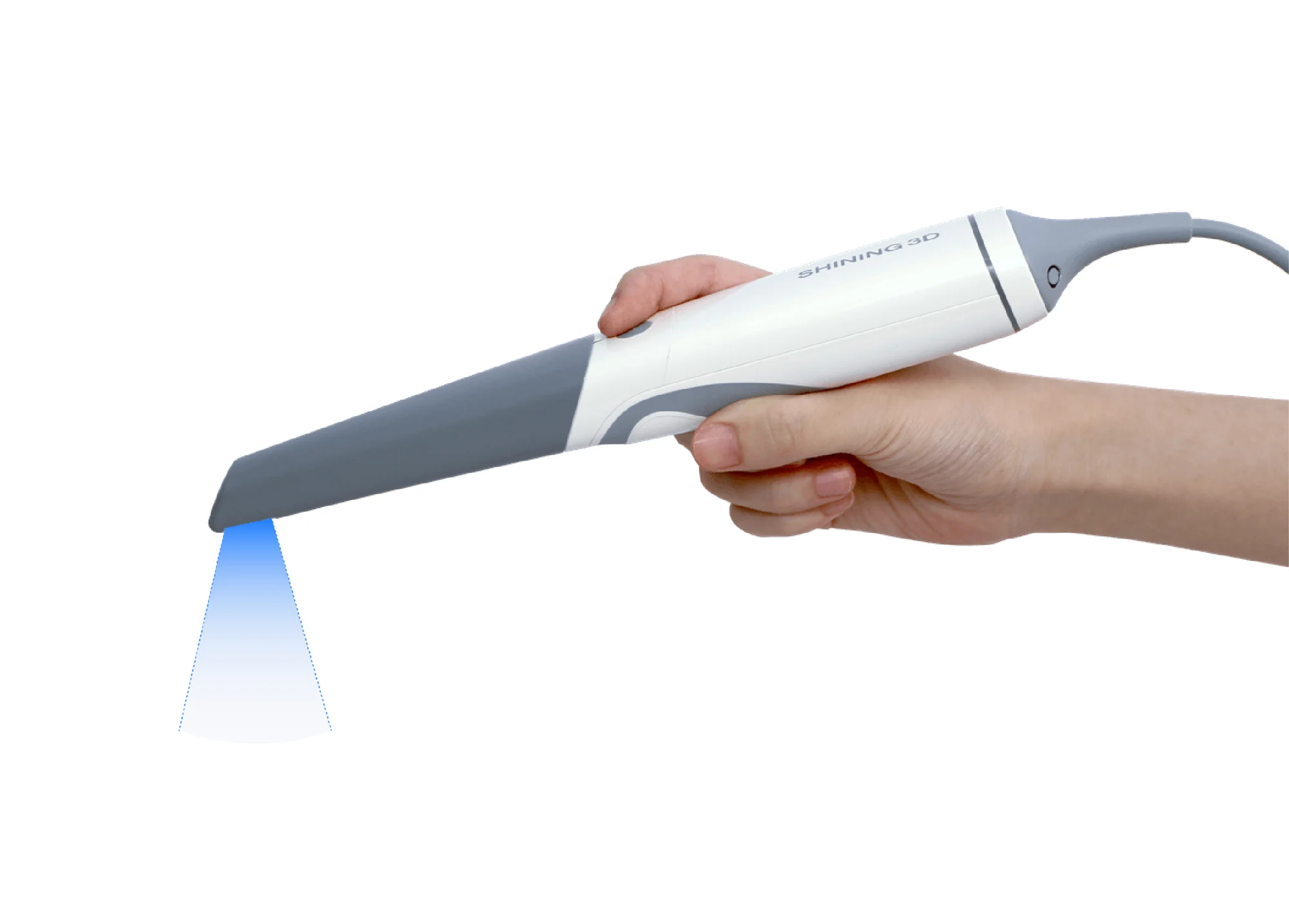
A dental intraoral scanner is a handheld device that captures the shape and surface details of a patient’s oral structures. Unlike conventional impressions that require trays and impression materials, digital scanning uses optical technology to collect information directly from the mouth. The scanner records images of teeth and soft tissues, then processes the collected data through specialized software to create a virtual three-dimensional model. This digital impression allows dentists to review oral conditions more conveniently and make adjustments during the appointment if necessary.
By replacing several manual steps involved in traditional impression procedures, an intraoral scanner helps dental clinics create a more efficient and predictable digital workflow. A complete digital scanning system includes hardware, software, and data processing capabilities. Each part contributes to the quality and usability of the final digital model.
The main components usually include:
- Optical sensors that capture surface information
- A scanning handpiece used to collect oral data
- Software that processes images and generates 3D models
- Digital file export options for dental design and manufacturing systems
The combination of these technologies allows dentists and laboratories to work with accurate digital information throughout different treatment stages.
How Does a Dental Intraoral Scanner Work?
- Capturing Oral Information Through Optical Scanning
The first stage of digital scanning is data collection. During the procedure, the dentist moves the scanner inside the patient’s mouth to capture multiple images of teeth, gums, and other oral structures.
A dental intraoral scanner uses optical scanning technology to measure the shape and position of surfaces. The device captures how light interacts with the oral structures and converts this information into digital data.
Unlike traditional impressions that create a physical negative model, digital scanning creates a virtual representation of the patient’s oral condition. This allows clinicians to immediately examine the scanned area and evaluate whether additional data is needed.
SHINING 3D Dental’s Aoralscan solutions are developed to support digital impression workflows by combining advanced scanning technology with intelligent software features. These solutions help dental professionals collect accurate digital data for different clinical applications.
- Processing Images Into a Three-Dimensional Model
The scanning process involves collecting many images from different angles. The software then identifies matching points between these images and combines them into a complete digital model.
This image alignment process is essential because teeth have complex surfaces and irregular shapes. Advanced processing algorithms help create a continuous three-dimensional representation of the dental arch.
Once the scan is completed, dentists can view the digital model from multiple perspectives. They can inspect tooth surfaces, check margins, review bite relationships, and communicate treatment plans more effectively.
- Transferring Digital Data to Dental Workflows
After generating the digital model, scan data can be transferred to dental software systems for further design and manufacturing processes.
A modern intraoral scanner supports digital file formats that allow communication between clinics and laboratories. These files can be used for designing restorations, orthodontic appliances, implant solutions, and other dental products.
SHINING 3D Dental’s Aoralscan solutions support commonly used digital workflow formats, including STL, OBJ, and PLY files. This compatibility helps dental professionals integrate scanning data with different CAD/CAM systems and digital dentistry platforms.
What Are the Applications of an Intraoral Scanner?
- Supporting Restorative Dentistry
One of the most common uses of an intraoral scanner is restorative treatment. Digital impressions provide detailed information that helps dentists and laboratories design crowns, bridges, veneers, and other restorations.
With digital scan data, laboratories can receive patient information faster compared with traditional physical impressions. This improves communication between dental professionals and helps reduce delays caused by transporting physical models.
Digital workflows also allow dentists to review preparation areas more efficiently before restoration production begins.
- Improving Orthodontic Treatment Planning
Orthodontic treatment requires accurate information about tooth position, alignment, and bite relationships. A dental intraoral scanner can create detailed digital models that support orthodontic analysis and treatment planning.
For clear aligner treatments, digital impressions can help create customized treatment plans and monitor changes over time. Digital models also provide a visual way for dentists to explain procedures and expected outcomes to patients.
- Supporting Implant Procedures
Implant dentistry requires precise planning and effective communication between clinicians and laboratories. Digital scanning technology provides detailed oral information that can support implant restoration design and treatment preparation.
SHINING 3D Dental’s intraoral scanner solutions are designed for multiple applications, including implants, orthodontics, restorations, dentures, and other digital dentistry procedures. The technology helps dental teams build a connected workflow from scanning to final treatment delivery.
Benefits of Using a Dental Intraoral Scanner
- Creating a More Efficient Workflow
Traditional impression procedures often involve multiple steps, including material preparation, impression setting, physical transportation, and model production. A dental intraoral scanner reduces these steps by creating digital impressions directly.
Dentists can review scan results immediately and send digital files to laboratories without waiting for physical delivery. This can improve cooperation between clinics and laboratories while supporting faster treatment preparation.
- Enhancing Patient Comfort
Patient experience is an important factor in modern dentistry. Some patients may feel uncomfortable with traditional impression materials because of the taste, texture, or waiting time during the setting process.
An intraoral scanner provides a more convenient scanning experience by using a compact digital device instead of impression trays. This can make dental visits more comfortable and improve patient acceptance of digital treatment methods.
SHINING 3D Dental Solutions for Digital Dentistry
SHINING 3D Dental provides digital dental solutions that help clinics and laboratories adopt modern workflows. Its Aoralscan series is designed to support professionals who need efficient and flexible digital impression solutions.
The company’s intraoral scanner solutions combine scanning hardware, intelligent software, and workflow compatibility to support different dental applications. From everyday restorations to complex implant and orthodontic cases, these systems help dental professionals integrate digital technology into their practices.
By connecting scanning, design, and manufacturing processes, SHINING 3D Dental helps create a smoother digital dentistry experience for both professionals and patients.
Conclusion
A dental intraoral scanner works by capturing optical data from teeth and oral tissues, processing multiple images through advanced software, and creating a detailed three-dimensional digital impression. This technology replaces many traditional impression steps and provides dental professionals with more efficient tools for diagnosis, planning, and treatment.
As digital dentistry continues to develop, the intraoral scanner will play an increasingly important role in improving clinical workflows and patient experiences. With digital solutions such as SHINING 3D DENTAL‘s Aoralscan series, dental professionals can adopt smarter workflows and deliver more predictable dental care.