 mada100
Interest in non-surgical breast enhancement has grown substantially within aesthetic medicine. For clinics considering adding these procedures, grasping the scientific and practical aspects of hyaluronic acid-based options is crucial. This knowledge forms the foundation for informed consultations, safe practice, and achieving consistent patient outcomes. The following examines key factors medical professionals should evaluate.
The Mechanism of Volumization and Integration
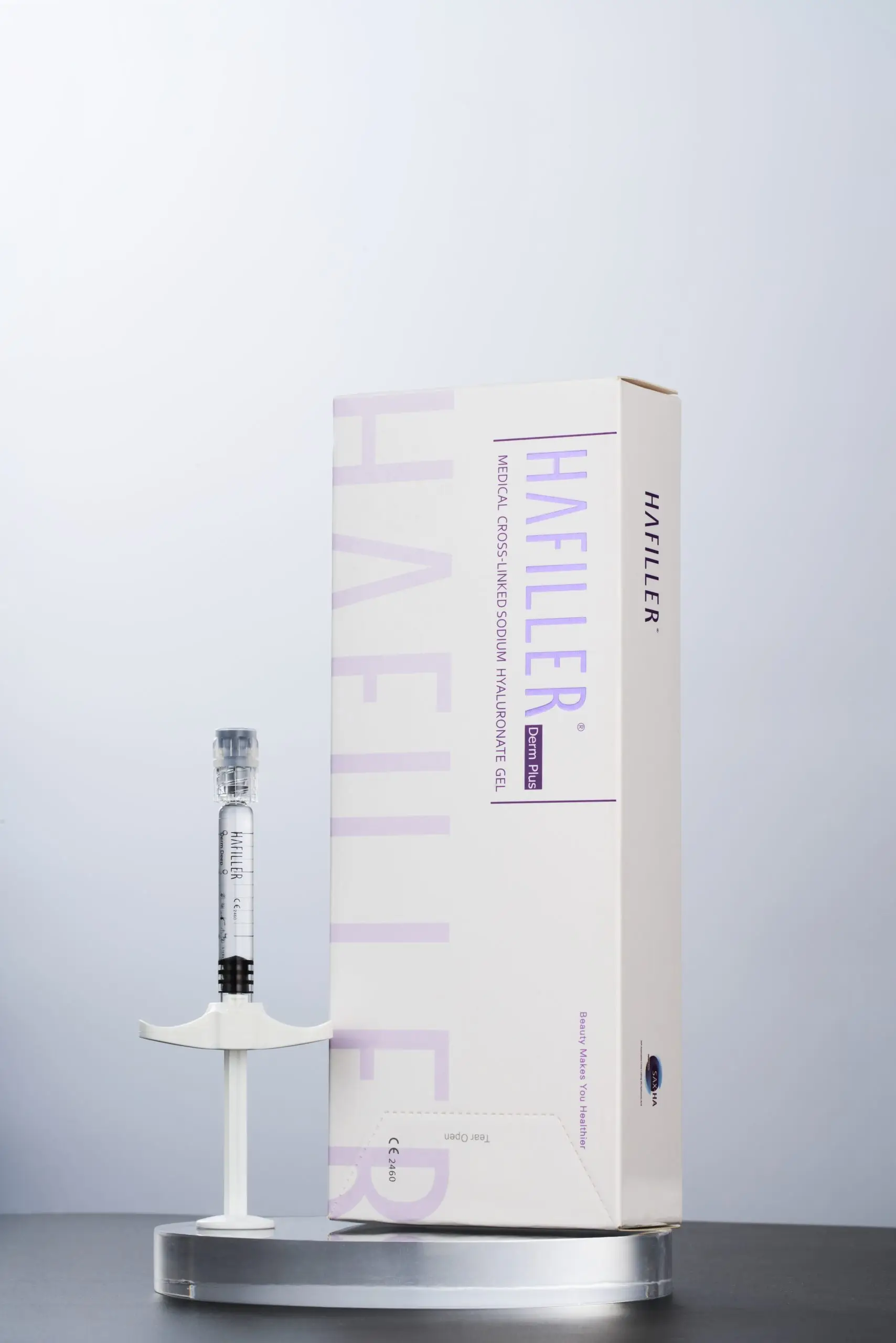
Hyaluronic acid breast filler operations on a well-understood biochemical principle. As a naturally occurring polysaccharide, hyaluronic acid attracts and binds water molecules, providing volumetric expansion. When injected, the product integrates with the native tissue, creating a malleable and natural-feeling augmentation. The performance of a specific product, such as HAFILLER, depends on its cross-linking technology and particle uniformity, which influence longevity and tissue response.
Safety Profile and Adjustable Volume Enhancement
A key clinical advantage of hyaluronic acid-based breast fillers lies in their safety profile and adjustable volume enhancement. The material is reversible: if a patient wishes to modify the outcome or experiences a complication, hyaluronidase can be administered to catalyze hydrolysis of the filler, allowing it to dissolve completely. This safety mechanism is not only a central point during consultation but also makes volume enhancement a flexible process that can be tailored to individual needs. To support this, the clinic must maintain a clear protocol and keep the enzyme agent readily available—reflecting a commitment to patient safety that extends beyond the initial procedure.
Clinic Readiness and Treatment Protocol
Implementing this treatment requires more than technical skill. Clinics must assess their operational readiness, which includes comprehensive practitioner training on deep anatomical structures, appropriate patient screening, and investment in high-quality imaging technology for pre- and post-procedure assessment. Utilizing a reputable product from a company like Jingjia Medical ensures consistency. The structured approach offered by the HAFILLER system, for instance, can provide a standardized framework for dosage and injection methodology.
In summary, incorporating hyaluronic acid breast filler into a clinic’s services is a strategic decision that hinges on scientific understanding and procedural rigor. Success depends on a clinic’s dedication to education, anatomical mastery, and stringent safety protocols. By focusing on these pillars, practices can offer a modern alternative in breast augmentation, meeting patient demand with a responsible, evidence-based approach supported by brands like HAFILLER.