 mada100
Modern hospitals often operate with equipment from multiple manufacturers, making compatibility a key concern for patient monitor accessories. Devices such as ECG cables, SpO2 sensors, and NIBP cuffs must connect seamlessly with different monitoring systems to ensure accurate data collection.
Unimed, as one of the experienced medical cable assembly manufacturers, focuses on designing accessories that integrate with a wide range of monitor brands. This approach helps healthcare providers avoid the need for brand-specific replacements while maintaining consistent monitoring performance.
Key Factors That Influence Compatibility
Compatibility is determined by several technical factors. Connector types play a central role, as different brands may use unique pin configurations or shapes. Even when connectors appear similar, internal wiring differences can affect signal transmission.
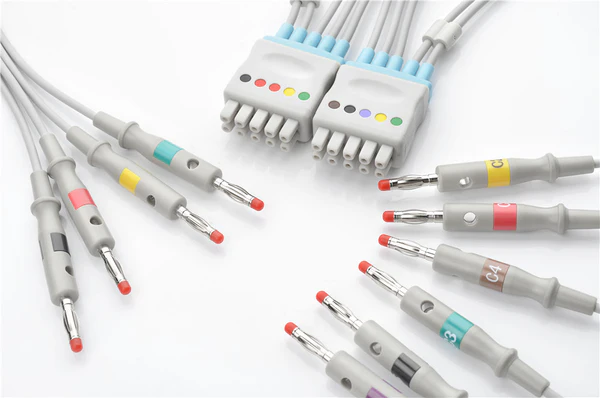
Industry standards such as AHA and IEC also influence compatibility. ECG cables, for example, may follow different color coding and lead configurations depending on the regional standard used. Many modern cables are designed to support both systems, allowing flexibility in multi-brand environments.
Another important factor is adapter design. Multi-link trunk cables and adapters can convert connections to fit different monitor interfaces, enabling a single accessory to work across multiple systems.
Multi-Brand Compatibility in Practice
In real clinical settings, compatible accessories are expected to work with widely used monitor brands such as Philips, GE, and Mindray. High-quality cables are often engineered to support a broad range of devices while maintaining stable signal transmission.
Some ECG cables can connect to multiple monitor models through standardized connectors and flexible configurations, supporting various lead setups and patient monitoring scenarios.
Choosing the Right Manufacturing Partner
Selecting reliable medical cable assembly manufacturers is essential for ensuring compatibility. Unimed emphasizes material quality, precise connector design, and strict testing procedures to ensure that accessories perform consistently across different systems.
Customization is another advantage. Hospitals may require specific cable lengths, connector types, or branding, and manufacturers with OEM capabilities can adapt products to meet these needs while preserving compatibility.
Conclusion
Compatibility is at the core of efficient patient monitoring in multi-brand environments. By understanding connector standards, adapter solutions, and system requirements, healthcare providers can make informed choices. Working with trusted suppliers like Unimed ensures that patient monitor accessories remain reliable, adaptable, and suitable for diverse clinical settings.