 mada100
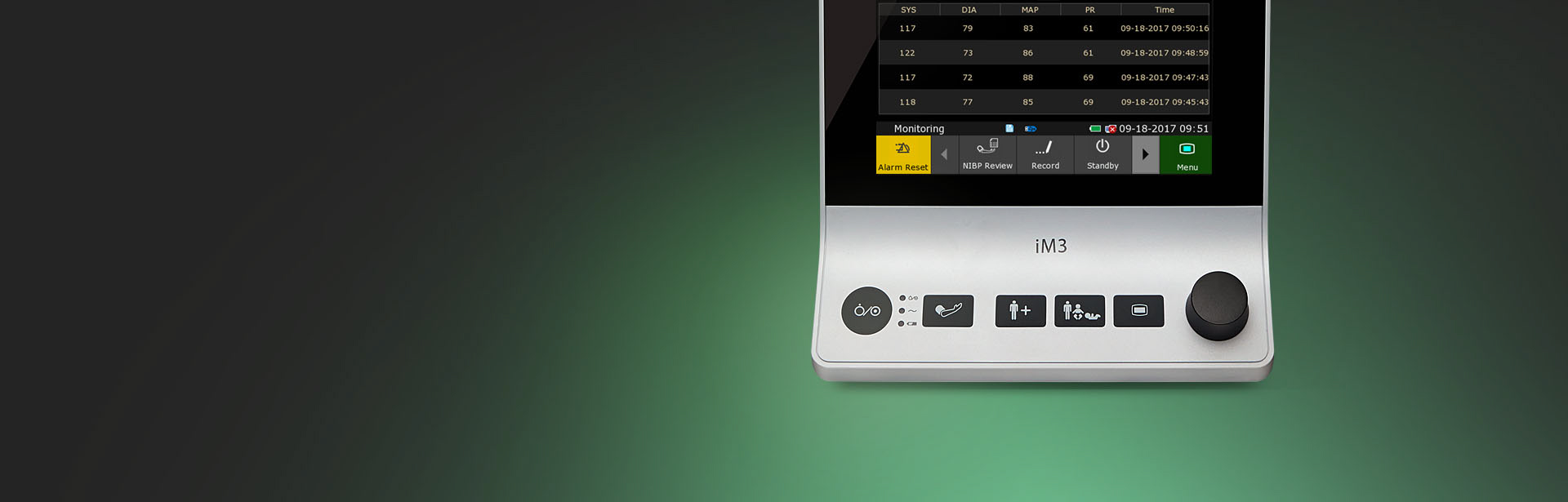
In today’s healthcare environments, ensuring accurate and efficient monitoring of patients across all departments is essential. Hospitals that invest in hospital patient monitor solutions that are adaptable and easy to use can improve workflow and care outcomes. One device that exemplifies this is the EDAN iM3 model. By embracing portable technology like the EDAN iM3, facilities can better allocate resources and support clinical teams across diverse scenarios.
The Role of Monitoring in Modern Hospital Care
Efficient monitoring plays a crucial role in patient safety and clinical decision-making. A portable vital signs monitor provides clinicians with continuous or periodic measurement of vital signs such as SpO₂, non-invasive blood pressure (NIBP), and pulse rate. Devices that handle these functions with precision help detect early changes in patient status, which can prevent complications and reduce length of stay.
Benefits of Portable Devices
Portable solutions like the EDAN iM3 offer mobility without sacrificing capability. Unlike stationary monitors, portable units can seamlessly transition between wards, emergency rooms, and outpatient settings. This is particularly beneficial in times of fluctuating patient volumes, where flexibility can reduce wait times and ease clinician workload. The iM3’s lightweight design and built-in battery ensure that clinicians are not tied to a fixed location.
The capability to support multiple work modes such as continuous monitoring, spot checks, and ward rounds makes portable devices highly adaptable to varied clinical needs. This versatility ensures that a single monitor can serve many purposes throughout a hospital, optimizing equipment utilization and reducing overall costs.
Enhanced Data Management and Connectivity
Modern portable monitors also support seamless data management. The EDAN iM3 model allows vital signs data to be uploaded via Wi-Fi or USB to electronic medical records, minimizing manual charting and improving data accuracy. Integration with hospital systems enhances continuity of care and supports compliance with regulatory reporting.
Conclusion
Adopting portable solutions such as the EDAN iM3 helps hospitals meet the evolving demands of clinical environments. By combining mobility, reliable measurements, and strong data connectivity, these devices support better patient care while contributing to sustainable resource use throughout the facility.