 mada100

Modern server racks and telecommunication chassis demand robust structural enclosures that protect sensitive internal circuitry from physical damage and environmental signal interference. Constructing durable chassis enclosures requires advanced fabrication capabilities to maintain strict dimensional tolerances across complex multi-bend geometries.
Engineering teams frequently evaluate production methods for electronics high precision sheet metal parts when designing reliable data center hardware. Meeting rigorous industry standards depends on synchronizing laser cutting tolerances with specialized secondary finishing procedures.
Manufacturing partners must balance structural rigidity against strict thermal dissipation requirements while controlling total project expenses across production runs.
Mitigating Electromagnetic Interference Through Tight Enclosure Tolerances
Severe signal degradation often occurs when poorly sealed seams allow electromagnetic waves to disrupt sensitive digital components inside server cabinets. Achieving effective shielding requires seamless corner joints and precise metal-to-metal contact along every structural mating perimeter.
Equipment designers utilize specialized gasketing and tight mechanical fits to eliminate signal leakage across high-frequency bands. Controlling structural gaps prevents external electromagnetic interference from compromising operational reliability and system stability in dense data center environments where uptime is critical.
Shielding effectiveness relies heavily on maintaining consistent electrical conductivity across all welded or fastened structural panel interfaces. Surface oxidation can introduce microscopic resistance gaps that degrade overall electromagnetic compliance performance over extended deployment periods.
Fabricating robust housings requires specialized design considerations that accommodate both structural loads and electrical grounding needs simultaneously. Production specialists optimize seam designs to ensure continuous electrical paths throughout the entire metallic enclosure without dead zones or signal attenuation risks.
Executing Micro-Laser Cutting and Complex CNC Bending Operations
Cutting-edge fiber laser systems deliver micron-level accuracy when cutting intricate ventilation patterns and port cutouts into thin-gauge sheet metal. High-speed laser profiling prevents thermal distortion, ensuring that component edges remain clean and free from burrs.
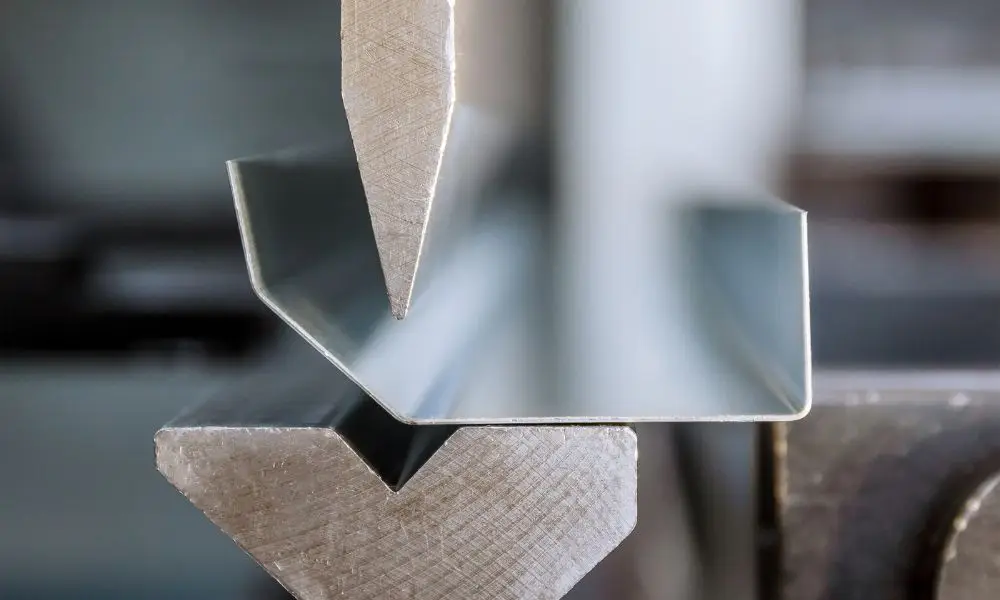
Following initial cutting, automated CNC press brakes execute multiple sequential bends with exceptional angular repeatability. HordRT utilizes state-of-the-art bending machinery to achieve exact dimensional compliance on complex multi-tier chassis frames and electrical housings.
Springback compensation algorithms adjust bending angles automatically to counteract inherent material elasticity across varying metal alloy batches. Precise tooling calibration prevents dimensional drift during high-volume production runs of intricate electronic enclosures.
Machining operators monitor real-time pressure feedback loops to maintain uniform bend radii across every structural component. This meticulous fabrication control guarantees seamless final assembly alignment for complex technical hardware deployment in commercial markets.
Optimizing Thermal Dissipation and Internal Component Mounting
Fabricating electronics high precision sheet metal parts requires managing substantial thermal energy generated by high-density processing hardware to prevent catastrophic component overheating. Enclosure layouts incorporate custom louver patterns and specialized heat sink mounting zones to maximize internal airflow circulation.
Strategic perforation designs balance structural wall strength against optimal thermal ventilation requirements in tight spaces. Thermal management remains a primary engineering priority during the preliminary design phase of modern high-performance server architecture.
Threaded fasteners and internal mounting standoffs require precise positioning to secure heavy circuit boards without inducing mechanical stress. Automated hardware insertion presses embed studs and nuts securely into thin metal plates with uniform torque control.
Structural brackets must withstand continuous operational vibration without loosening or damaging delicate internal wiring harnesses. Engineering precision at this stage prevents field failures and reduces long-term maintenance overhead for end users worldwide.
Applying Conductive Finishes and Corrosion-Resistant Coatings
Raw metal surfaces oxidize rapidly when exposed to humid environments, threatening both structural integrity and electrical grounding performance. Applying chemical conversion coatings or conductive plating preserves surface conductivity while protecting underlying substrates from environmental corrosion.
These specialized finishes maintain low electrical contact resistance across mating surfaces without insulating the chassis joints. Selecting appropriate coating treatments requires careful coordination with end-use environmental exposure specifications and regulatory compliance mandates.
Powder coating exterior panels provides a durable aesthetic finish while protecting interior conductive zones from accidental short circuits. Masking critical grounding points prior to painting ensures uninterrupted electrical continuity throughout the assembled electronic system.
HordRT integrates advanced surface treatment lines to deliver uniform, corrosion-resistant finishes on custom metal components. Quality control teams inspect coating thickness rigorously to verify compliance with international industrial standards and strict client blueprints.
Ensuring Absolute Dimensional Integrity Through Automated Metrology
Verifying dimensional compliance on complex metal enclosures requires advanced optical scanning systems and coordinate measuring machines. Automated inspection routines catch microscopic deviations before components proceed to final packaging and global distribution.
HordRT deploys stringent metrology protocols to validate every production batch against strict engineering tolerances. Producing electronics high precision sheet metal parts demands uncompromising attention to quality assurance at every operational stage.
Comprehensive inspection reports provide complete traceability for enterprise clients requiring verified hardware reliability. Modern industrial facilities rely on integrated digital workflows to track component specifications from initial raw material cutting straight through to final assembly delivery.
Engineering teams benefit immensely from partnering with experienced fabricators who understand the subtle nuances of electronics housing construction. Securing absolute precision guarantees long-term operational success across fast-evolving global technological sectors and competitive markets.