 mada100

Hotel restaurants need furniture that supports both dining comfort and overall space planning. Guests may spend a long time enjoying meals, while operators need seating that matches traffic flow, maintenance needs, and interior design goals. Choosing suitable chairs, banquettes, and customized solutions can influence how a restaurant functions during daily operation.
Seating selection is not only about appearance. Material quality, ergonomic structure, durability, and coordination with the surrounding environment all affect the final result. For hospitality projects, a practical furniture plan should balance guest experience with long-term management requirements.
Understanding Seating Needs in Hospitality Spaces
Different restaurant areas require different seating arrangements. Fine dining spaces often focus on comfort and atmosphere, while casual restaurants may need flexible layouts for changing guest numbers. Designers and procurement teams usually consider table spacing, movement paths, cleaning access, and visual consistency before selecting furniture.
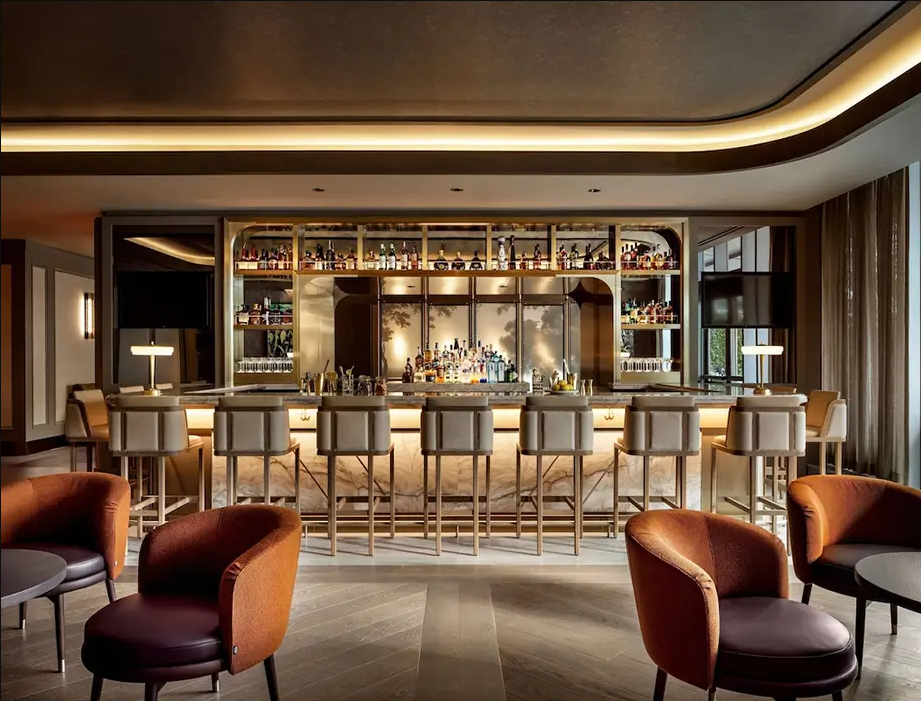
For many hotel projects, hotel restaurant furniture needs to match the style of the property while supporting frequent daily use. Chairs with proper back support and suitable cushioning can improve guest comfort during extended meals. The choice of upholstery, frame structure, and surface materials also affects maintenance.
Dining areas with different functions may require mixed seating solutions. Standalone chairs can provide flexibility, while fixed seating can help maximize available space. A combination of both options allows restaurants to create different zones without making the layout feel crowded.
Choosing Chairs and Banquettes for Better Comfort
Restaurant chairs are often selected based on appearance, comfort, and expected usage conditions. Fine dining restaurants require furniture that elevates the guest experience through premium materials, refined aesthetics, and ergonomic comfort for extended meals. Key pieces include custom dining tables, upholstered dining chairs with high-resilience foam, and fixed banquette seating.
Upholstered dining chairs are commonly used in restaurants where guests stay for longer periods. High-resilience foam can provide a supportive seating experience when combined with suitable upholstery materials. The design should also consider cleaning requirements because hospitality spaces need regular maintenance.
Banquette seating offers another approach for restaurants that want to improve space utilization. Fixed banquettes can be installed along walls or designed around specific areas, creating a more organized dining environment. They can also support a more private atmosphere for guests.
When planning hotel dining furniture, designers need to evaluate the relationship between seating dimensions, table height, and guest movement. A comfortable arrangement should allow staff to serve efficiently while keeping guests relaxed throughout their dining experience.
Planning Custom Solutions for Different Projects
Every hotel or restaurant project has different requirements. A boutique hotel may prefer unique designs that reflect its brand identity, while a larger hospitality project may focus on consistency across multiple dining areas. Custom furniture solutions help project teams adjust materials, dimensions, finishes, and layouts according to specific needs.
BFP Furniture provides customized furniture solutions for hospitality spaces, including design support, material selection, and project coordination. They focus on hotel and restaurant furniture requirements and understand the practical considerations involved in commercial environments. Their team can support projects with installation preparation, site measurement assistance, and communication between different project parties.
For international projects, clear communication is also important. Furniture suppliers need to provide progress updates, production information, and coordination support during different stages. BFP Furniture uses project management processes to help buyers follow important milestones and maintain communication throughout production.
Customization should also consider budget planning. Instead of focusing only on initial costs, project teams usually review material choices, service support, delivery schedules, and future maintenance needs. A balanced solution can help hotels achieve suitable results while keeping project requirements under control.
Balancing Design, Function, and Project Requirements
Successful restaurant seating design requires cooperation between designers, contractors, and furniture suppliers. Early planning can reduce problems during installation, especially when fixed furniture needs to work with existing walls, electrical systems, or other building elements.
Materials should be selected according to the restaurant environment. High-traffic areas may require durable finishes, while premium dining spaces may focus more on texture and visual details. The final selection should match both the expected usage and the overall interior concept.
Delivery planning is another important factor for hospitality projects. Standard furniture production timelines, installation arrangements, and after-sales communication can influence project progress. Suppliers with structured processes can help teams manage these stages more smoothly.
A complete seating solution is not limited to individual products. It includes design coordination, production control, and practical support throughout the project cycle. This approach helps create restaurant spaces that meet both guest expectations and operational needs.
How Thoughtful Seating Choices Support Long-Term Hospitality Goals
Hotel restaurant seating combines design, comfort, and practical operation requirements. Chairs, banquettes, and customized furniture solutions each have different roles in shaping the dining environment. Careful planning helps hospitality projects create spaces that support guests while meeting daily business needs.
For developers, designers, and procurement teams, selecting the right partner is part of the overall project process. With experience in customized hospitality solutions, BFP Furniture helps clients develop furniture plans that align with different project conditions. A well-planned seating strategy can contribute to a more functional and welcoming restaurant environment.