 mada100
The long-term prognosis for a child diagnosed with Asphyxiating Thoracic Dystrophy (ATD), also known as Jeune Syndrome, is primarily determined by the severity of thoracic constriction, its impact on pulmonary development, and, crucially, the degree of cardiac compression which can lead to pulmonary hypertension.
This uncommon autosomal recessive genetic disorder, first documented in 1955, is characterized by abnormal structure and shape of the thoracic cage, and is often accompanied by multiple organ dysfunction.
Understanding Pathogenesis, Classification and Risks
The etiology of primary ATD remains unclear. Secondary ATD is caused by corrective surgery for chest wall deformities.
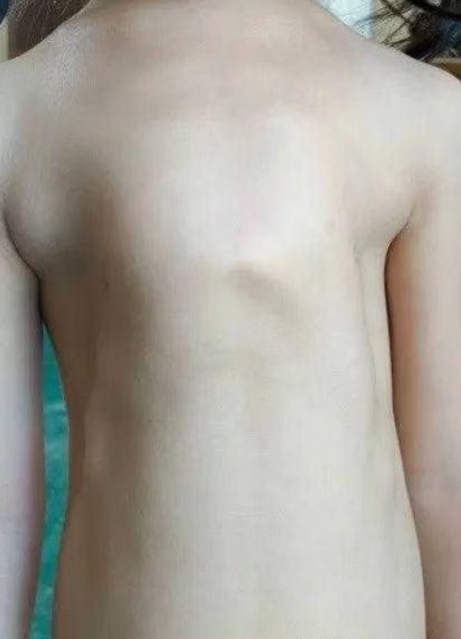
ATD can be classified into two types: Type I ATD and Type II ATD. Type I is characterized by overall thoracic narrowing, with both the transverse and anteroposterior diameters significantly smaller than those of a normal chest. The main feature of Type II ATD is extensive bilateral chest wall depression. These depressions involve multiple ribs and often extend to the costal margin.
The main harm of ATD lies in its impact on the overall shape and physiological function of the thoracic cavity. Among them, thoracic narrowing severely impairs respiratory function, making congenital asphyxiating thoracic dystrophy (ATD) a critical condition.
Advanced Surgical Procedures
The only way to get rid of lung compression is through surgery. The Institute of Chest Wall Surgery (ICWS) uses new methods to reconstruct the chest.
For Type I ATD, an innovative chest wall expansion surgery is performed, which is divided into midline chest wall expansion and lateral chest wall expansion.
For Type II ATD, most patients receive a combined surgical approach of the Wenlin procedure and the Wang procedure, while the Wang procedure alone is used for the minority of patients with isolated lateral chest wall depression.
Improving Outcomes and Longevity
The treatment goal for asphyxiating thoracic dystrophy (Jeune syndrome) is to maximize lung capacity in the early stages to promote normal lung development. Dr. Wang Wenlin’s team has treated 54 cases, the largest group globally. Successful reconstruction stabilizes breathing and reduces ventilator dependency. While Jeune Syndrome is complex, early surgical intervention is the most effective way to help patients achieve a healthy and high-quality life.