 mada100
Yoga apparel production depends on suitable materials, careful manufacturing, and consistent supply planning. Custom long sleeve shirts allow brands to create functional collections that match customer expectations while maintaining product identity. This article explains how material selection and production expertise influence garment quality, development efficiency, and long-term apparel business success.
Material Selection Shapes Long Sleeve Yoga Apparel Quality
Fabric choice directly affects comfort, performance, and customer satisfaction in yoga apparel collections. Businesses need materials that support movement, maintain appearance, and provide suitable durability for repeated use across different activities and environments.
Manufacturers evaluate fabric characteristics before production begins. Factors such as stretch, softness, breathability, and surface texture influence the final garment experience. Careful material assessment helps brands create products that meet their specific market requirements.
Suppose every batch of yarn varied slightly, or dyeing temperatures fluctuated from run to run. Consistency would quickly unravel. That’s why Joebond treats yarn production, fabric manufacturing, dyeing, and finishing not as isolated tasks, but as interdependent links in a single chain—and why coordinated management across them is the bedrock of stable, predictable manufacturing.
Joebond provides integrated apparel production services, and they support businesses through connected manufacturing stages. Their capabilities cover material resources, garment production, and visual services, helping companies organize product development with practical production support.
How Custom Long Sleeve Tops Improve Product Development
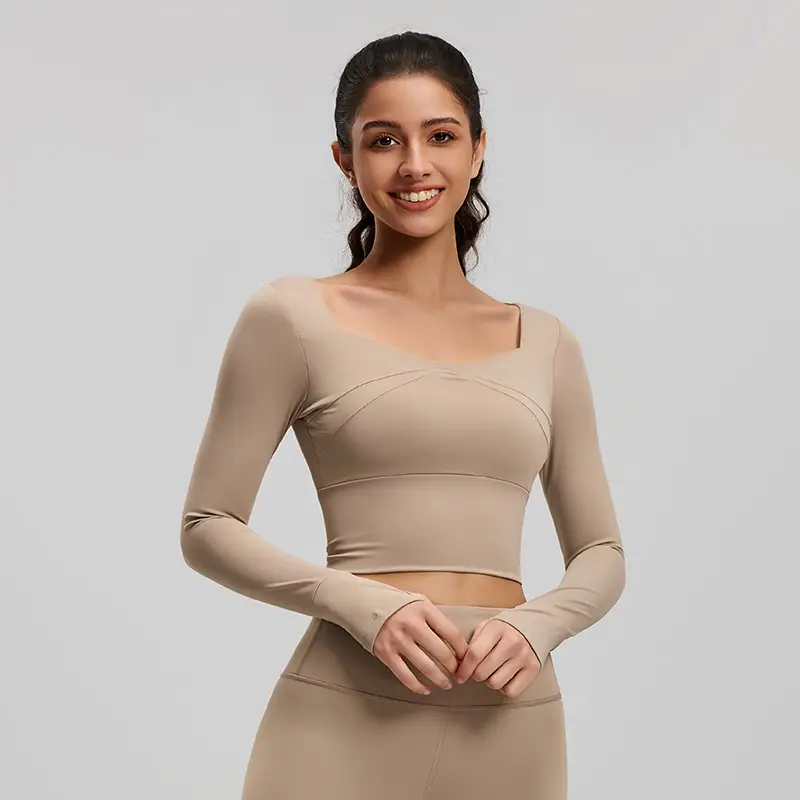
Custom long sleeve tops give apparel brands opportunities to create collections with specific designs, fabrics, and functional details. These products can support yoga, fitness, and lifestyle markets where customers expect comfort combined with attractive appearance.
Product development requires cooperation between buyers and manufacturers. Clear communication about measurements, materials, construction methods, and finishing details helps reduce misunderstandings during sample creation and production preparation.
Manufacturers with technical experience can provide useful guidance during apparel development. Their knowledge of fabrics and garment construction helps companies evaluate product ideas while considering production feasibility and market expectations.
Joebond works with global apparel businesses, and they help clients coordinate customized projects through organized manufacturing resources. Their approach supports brands requiring flexible solutions for yoga wear, fitness wear, sportswear, and related apparel categories.
Material Processing Supports Consistent Apparel Manufacturing
Reliable apparel production depends on organized processing from raw materials to finished garments. Each manufacturing stage influences product consistency, making quality management important for companies developing long-term collections.
Dyeing and fabric manufacturing processes require careful attention because material performance can change during production. Manufacturers need suitable techniques to maintain fabric appearance, structure, and overall garment performance after completion.
Businesses often face challenges when suppliers cannot provide clear production information. A coordinated manufacturing partner can improve communication by connecting different production stages and providing better visibility throughout development.
For brands developing custom long sleeve shirts, material processing knowledge helps create garments that match approved specifications. Consistent production methods also support repeat orders and help maintain recognizable product standards across collections.
Supply Chain Integration Creates Better Production Control
Integrated supply chains help apparel businesses manage product development more efficiently. When materials, manufacturing, and quality processes are connected, companies can improve coordination and reduce difficulties caused by separate production sources.
Retailers and wholesalers often need dependable supply options for seasonal collections. Organized manufacturing systems allow businesses to plan inventory requirements while maintaining flexibility for changing customer interests and sales conditions.
Apparel companies also benefit from suppliers that understand different business models. Private label brands, retailers, and OEM buyers may require different approaches to product creation, order planning, and production communication.
Joebond supports various apparel production needs, and they provide coordinated services for businesses requiring customized and in-stock supply options. Their manufacturing structure helps companies manage apparel projects with connected resources and practical support.
Design Flexibility Helps Brands Build Distinct Collections
Product identity depends on more than materials alone. Design elements, garment structure, colors, and finishing details contribute to how customers recognize and evaluate an apparel collection.
Flexible manufacturing allows brands to adjust product features according to market needs. Companies can develop different styles while maintaining consistency in quality, branding elements, and production expectations.
Visual services also contribute to product preparation. Professional product presentation helps businesses communicate collection concepts clearly and organize materials for retail channels, wholesale discussions, and internal planning.
Manufacturers supporting custom long sleeve tops can help businesses create apparel ranges with specific characteristics. This flexibility allows companies to develop collections that reflect their customer groups and commercial objectives.
Building Long-Term Value Through Apparel Manufacturing Partnerships
Long-term manufacturing relationships depend on communication, reliability, and shared planning. Businesses benefit when suppliers understand project goals and provide consistent support throughout multiple production cycles.
Quality discussions should continue beyond initial development. Reviews of materials, samples, production results, and customer feedback help companies improve future collections and maintain stronger operational processes.
A dependable manufacturing partner can support business growth by providing suitable production resources. This includes assistance with product development, manufacturing coordination, and supply planning for different apparel categories.
Companies using custom long sleeve shirts can create organized product strategies while working with experienced suppliers. These partnerships help brands maintain consistency and develop collections that align with customer expectations.
Conclusion
Material selection and manufacturing coordination are essential for successful yoga apparel production. Custom long sleeve tops support flexible collection development, while they help brands create practical product lines. Joebond provides integrated apparel solutions, and they support businesses with coordinated manufacturing resources for global markets.